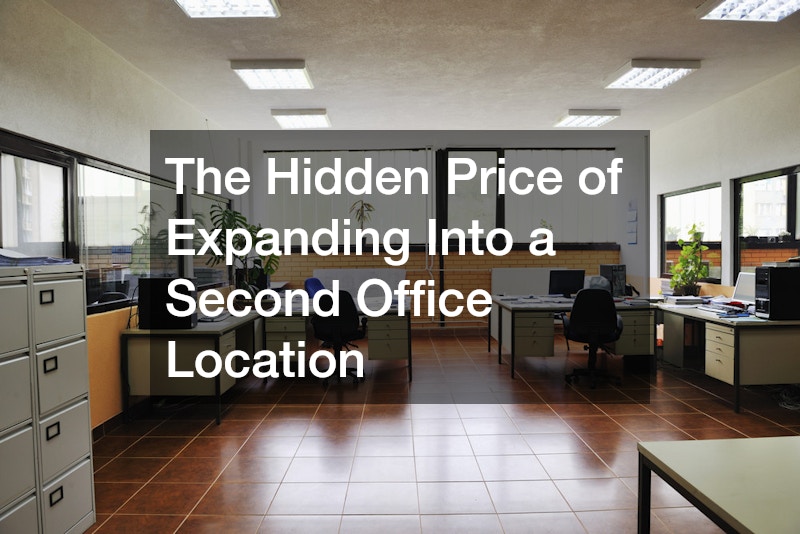
Opening a second office feels like a milestone worth celebrating, and in many ways it is. But behind the exciting headline of growth sits a long list of costs that rarely make it into the initial planning conversation. From logistics to legal fees to the quiet toll on company culture, a second location often costs far more than the lease itself. Understanding these hidden expenses before you sign anything can mean the difference between a smooth expansion and a budget disaster.
Calculating the True Cost of Relocation Logistics
Most business owners budget for rent and furniture but underestimate the actual cost of getting everything from point A to point B. Hiring professionals who specialize in commercial relocations is almost always cheaper in the long run than trying to coordinate the move with existing staff, whose time is better spent serving customers. Researching a local commercial moving service ahead of time gives you a realistic number to plug into your budget instead of a rough guess. A reputable moving company can also flag logistical issues, like elevator access or parking restrictions, that you would otherwise discover on moving day. Get quotes early, since availability during peak moving seasons can drive prices up significantly.
- Request itemized quotes covering labor, transport, insurance, and packing materials
- Ask about liability coverage for damaged electronics or furniture
- Confirm whether weekend or after-hours moves cost extra
- Factor in costs for moving IT equipment separately from general furniture
Choosing Between Full Service Support and Doing It Yourself

When comparing options, many businesses assume a do-it-yourself move will save money, but the hidden labor costs, lost productivity, and risk of damaged equipment often erase those savings. Full-service moving management takes the coordination burden off your internal team, handling everything from packing to setup at the new location. This matters more than it seems, because employees pulled into moving tasks are not doing their actual jobs, and that lost output is a real cost even if it never shows up on an invoice. A single point of contact managing the entire relocation timeline can also prevent costly scheduling conflicts with your building’s landlord or property manager.
- Compare quotes from at least three providers before deciding
- Ask whether packing and unpacking services are included
- Clarify what happens if the move runs longer than scheduled
- Request references from other businesses of similar size
Vetting and Selecting a Reliable Moving Partner
Not all moving companies operate at the same level of professionalism, and a second office move is not the time to gamble on an unknown vendor. Reading reviews, checking licensing, and confirming insurance coverage are basic steps that protect you from costly surprises on moving day. Some of the best movers in a given market book up weeks or even months in advance, so waiting until the last minute limits your options and your negotiating power. A reputable vendor will also provide a written contract detailing timelines, costs, and responsibilities so nothing is left to assumption.
- Verify the vendor is licensed and bonded for commercial moves
- Look for online reviews specifically mentioning office relocations
- Ask about their claims process for damaged or lost items
- Request references from businesses of similar size and scope
Furnishing a New Space Without Overspending
A second location rarely comes pre-furnished, and outfitting it can quietly consume a huge chunk of your expansion budget. Rather than ordering everything online sight unseen, many businesses find better value and faster turnaround working with a local furniture store that understands regional delivery timelines and can offer in-person consultations. This approach also lets you test ergonomics and durability before committing to bulk orders for an entire floor. Buying secondhand or refurbished furniture for non-client-facing areas is another practical way to stretch the budget further.
- Request bulk pricing for desks, chairs, and storage units
- Ask about delivery windows that align with your move-in date
- Consider leasing furniture for short-term or trial locations
- Prioritize spending on client-facing areas over back-office spaces
Meeting Specialized Equipment and Storage Requirements
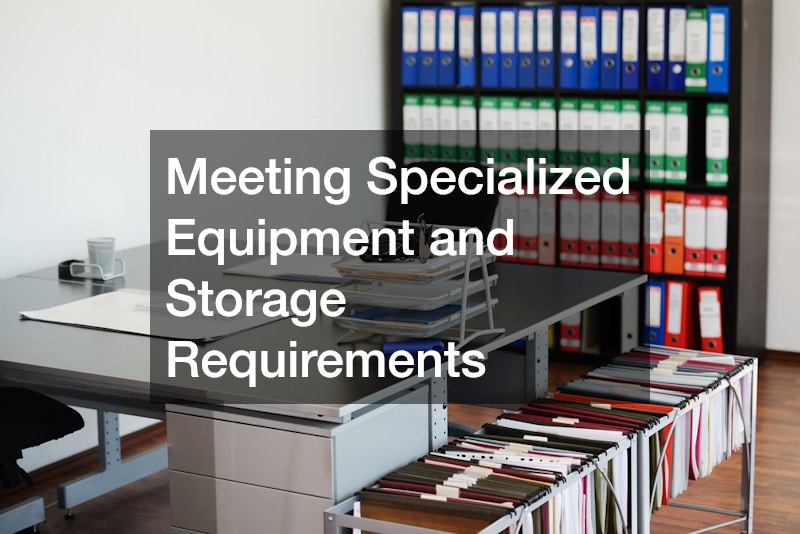
Depending on your industry, a second office may need more than desks and chairs. Businesses handling sensitive materials, pharmaceuticals, or product testing often require specialized equipment like temperature test chambers to maintain compliance and quality standards at the new site. These units are expensive to purchase outright and may require calibration, certification, and ongoing maintenance contracts that add recurring costs beyond the initial investment. Skipping this step or assuming existing equipment can be shared between locations often leads to compliance headaches down the road.
- Confirm whether specialized equipment needs recalibration after transport
- Budget for maintenance contracts on any technical machinery
- Check local regulations that may differ from your original location
- Factor in lead times for ordering new equipment if needed
Maintaining a Clean and Professional Second Location
A new office needs to look presentable from day one, and that responsibility often falls through the cracks during the chaos of a move. Between coordinating movers, setting up furniture, and getting IT systems online, cleaning is the detail most likely to get pushed to “we’ll handle it later.” Setting up a contract with an office cleaning company before opening day ensures the space is sanitized, dust-free, and ready for clients or employees without last-minute scrambling.
It’s worth deciding upfront what level of service the new location actually needs. A small satellite office might only require weekly visits for trash removal, vacuuming, and restroom upkeep, while a client-facing branch may need daily service to keep lobbies, conference rooms, and kitchens spotless. Some companies also budget for periodic deep cleans — carpet shampooing, window washing, or HVAC vent cleaning — every quarter to keep the space looking sharp beyond routine upkeep.
Ongoing cleaning contracts are also cheaper when negotiated as part of a multi-location agreement, since many providers offer discounts for servicing more than one site. Bundling locations under a single vendor can also simplify billing and give you one point of contact for scheduling, quality complaints, or adjusting service frequency as the office grows.
Overlooking this detail can leave a poor first impression on clients visiting the new space during its opening weeks, and it can also affect employee morale if the office feels neglected right out of the gate. A quick walkthrough a day or two before opening, checklist in hand, is a simple way to catch anything the cleaning crew might have missed.
- Ask about multi-site discounts if you already use a cleaning provider — many vendors shave 10-15% off contracts covering two or more locations
- Confirm cleaning frequency matches foot traffic expectations (daily for client-facing spaces, 2-3x weekly for smaller back-office setups)
- Request a deep clean before the official opening date, including carpets, windows, and HVAC vents that builders and movers often leave dusty
- Clarify who handles trash removal and restocking of supplies like paper towels, soap, and coffee station essentials
- Designate a local point of contact to flag issues quickly, since managers can’t inspect a distant office daily
- Put cleaning expectations in writing, with specifics on scope and frequency, to avoid disputes over vague verbal agreements
- Budget for seasonal add-ons like window washing or salt/mud mitigation in winter climates
Protecting Culture and Communication Across Two Sites

Splitting a team across two locations changes how people communicate, and the hidden cost here is often morale rather than money. Employees at the original office may feel like decisions are being made without them, while staff at the new location can feel disconnected from company culture entirely. Regular video check-ins, shared documentation, and intentional cross-office collaboration help close this gap before it becomes a retention problem. Companies moving into a two-location structure for the first time often underestimate how much extra management time this requires in the first six months.
- Schedule regular all-hands meetings that include both locations
- Rotate staff visits between offices to build relationships
- Create shared channels for casual, non-work conversation
- Track engagement scores separately for each location
Getting Outside Guidance on Expansion Decisions
Expanding into a second office is a strategic decision, not just a logistical one, and it can be difficult to see blind spots when you are deep in the day-to-day details. A business coach with experience in scaling operations can help you stress-test your assumptions about revenue, staffing, and timing before you commit to a lease. This outside perspective often surfaces questions that internal teams are too close to the situation to ask themselves. Investing in this kind of guidance early can prevent far more expensive mistakes later, including overexpansion or misjudging demand at the new location.
- Ask for case studies of similar businesses they have advised
- Discuss worst-case financial scenarios before signing a lease
- Use their input to build a realistic break-even timeline
- Revisit the plan together three to six months after opening
Planning the Legal and Administrative Groundwork

Every new location often means new tax jurisdictions, business licenses, and possibly different employment laws depending on where you expand. A second office in another state can trigger foreign qualification requirements, new sales tax nexus obligations, and payroll tax registration—each with its own filing deadlines and fees that rarely show up in a simple cost estimate. Even a move across county lines can mean a different zoning designation or a separate business license application process, and some municipalities require a public hearing before approving occupancy for anything other than standard office use.
Many growing organizations discover these requirements only after signing a lease, which creates unnecessary delays and legal exposure. It’s not uncommon to learn, mid-buildout, that local ordinances require special permits for signage, occupancy, or fire code compliance—each adding weeks to your opening timeline. Foreign qualification alone can take two to six weeks depending on the state, and filing fees typically range from $100 to $750, plus annual report obligations you’ll now owe in two places instead of one. Missing a registration deadline can also mean penalties or back taxes that erase whatever savings the new location was supposed to deliver.
Consulting with an accountant and attorney familiar with multi-location businesses before finalizing your decision helps you budget for registration fees, permits, and compliance costs upfront. They can also flag differences in employment law—things like paid sick leave mandates, minimum wage variances, predictive scheduling rules, or at-will employment exceptions—that affect how you draft offer letters and handbooks for the new site. Workers’ compensation coverage often needs a separate policy or endorsement tied to the new state’s requirements, and unemployment insurance rates typically reset based on your history in that jurisdiction, sometimes starting at a higher new-employer rate. A one-time consulting fee of a few thousand dollars is a small price compared to retroactive fines or a lease signed in the wrong zoning district.
This groundwork is unglamorous but far cheaper to handle early than to fix after the fact. Building a simple checklist—covering business registration, tax accounts, licensing, zoning verification, and labor law review—before you sign anything can save weeks of costly backtracking later. Some businesses also find it useful to assign one internal owner for compliance tracking, since these obligations don’t end at opening but recur annually as renewals, reports, and license updates come due.
- Research local business license requirements before signing a lease — some cities require permits approved before occupancy, which can delay opening by weeks or even months if inspections are backlogged
- Confirm payroll tax obligations differ by location, including state unemployment insurance rates, local wage taxes, and sometimes city-specific payroll levies that don’t exist at your first office
- Check zoning laws for your specific type of business, since a location zoned for retail may not permit warehousing, manufacturing, or certain service uses — and rezoning appeals can take months
- Verify whether the new state requires foreign entity registration, which involves separate filing fees (often $100–$750 depending on the state) and a registered agent in that state
- Look into whether the new location triggers nexus for sales tax collection, since selling or operating in a new state can create obligations even if your headquarters remains elsewhere
- Set aside a legal contingency fund for unexpected filings, aiming for at least $3,000–$5,000 to cover last-minute permits or amended paperwork
- Budget time for corporate governance updates, such as amending your operating agreement or board resolutions to formally authorize the new office
- Consult a local attorney or accountant early, since municipal rules often change faster than online resources reflect
Expanding into a second office can absolutely pay off, but only when the hidden costs are accounted for before the first box gets packed. Take time to research your logistics partners, furniture needs, cleaning contracts, and legal obligations with the same care you put into choosing the location itself. A little upfront planning, and honest conversations with experienced advisors, will save you from surprises that eat into the very growth you are working toward.